Understanding Water Damage Restoration North Vancouver
Water damage can have devastating impacts on your property, particularly in a region like North Vancouver, where heavy rainfall and aging infrastructure create a unique set of challenges for homeowners. The necessity of effective water damage restoration cannot be overstated. When mishaps occur, swift action is essential to prevent extensive damage, anyone facing such a dilemma should consider the resources provided by Water Damage Restoration North Vancouver, which offers comprehensive insights and professional services tailored to local needs.
What is Water Damage Restoration?
Water damage restoration is the process of cleaning, drying, and repairing a property after it has suffered from water intrusion. This can be due to flooding, leaks, or other moisture-related issues. The goal is to return the property to its pre-damage condition, ensuring that it is safe and habitable.
Why is Timely Restoration Important?
Timely restoration of water damage is crucial for several reasons:
- Mold Prevention: Mold can begin to grow within 24 to 48 hours after water exposure, leading to health risks and further property damage.
- Structural Integrity: Prolonged exposure to moisture can weaken the structure of buildings, resulting in costly repairs.
- Cost-Effectiveness: Addressing water damage immediately can save homeowners significant money by avoiding larger systemic issues down the line.
Common Causes of Water Damage in North Vancouver
North Vancouver’s unique climate presents specific risks for water damage, such as:
- Heavy Rainfall: The region experiences substantial rainfall, which can overwhelm drainage systems and lead to flooding.
- Aging Plumbing: Old pipes can burst or leak, resulting in significant water loss and damage.
- Roof Leaks: Deteriorating roofs may allow rainwater to seep into the structure.
- Sewage Backups: Failed plumbing can lead to sewage spills, creating health hazards and necessitating immediate attention.
Emergency Water Damage Restoration Process
Step-by-Step Restoration Procedure
The emergency water damage restoration process involves several critical steps to ensure thorough remediation:
- Assessment: A qualified technician evaluates the extent of the damage and identifies the source of water intrusion.
- Water Extraction: Utilizing industrial-grade pumps, the restoration team removes standing water from the property.
- Drying and Dehumidification: Advanced drying equipment is deployed to eliminate moisture from structures and prevent mold growth.
- Cleaning and Sanitization: Affected areas are cleaned and treated to eliminate contaminants and odors.
- Restoration: Any damaged materials, such as drywall or flooring, are repaired or replaced as necessary.
24/7 Emergency Response Services
Water damage emergencies can happen at any time, which is why it’s essential to have access to 24/7 emergency response services. Quick mobilization enables restoration professionals to mitigate damage effectively and restore peace of mind to affected homeowners.
Tools and Equipment Used in Restoration
Professional water damage restoration utilizes specialized equipment to ensure thorough remediation:
- Industrial Dehumidifiers: These units remove moisture from the air to facilitate the drying process.
- Air Movers: High-velocity fans circulate air to speed up evaporation and drying.
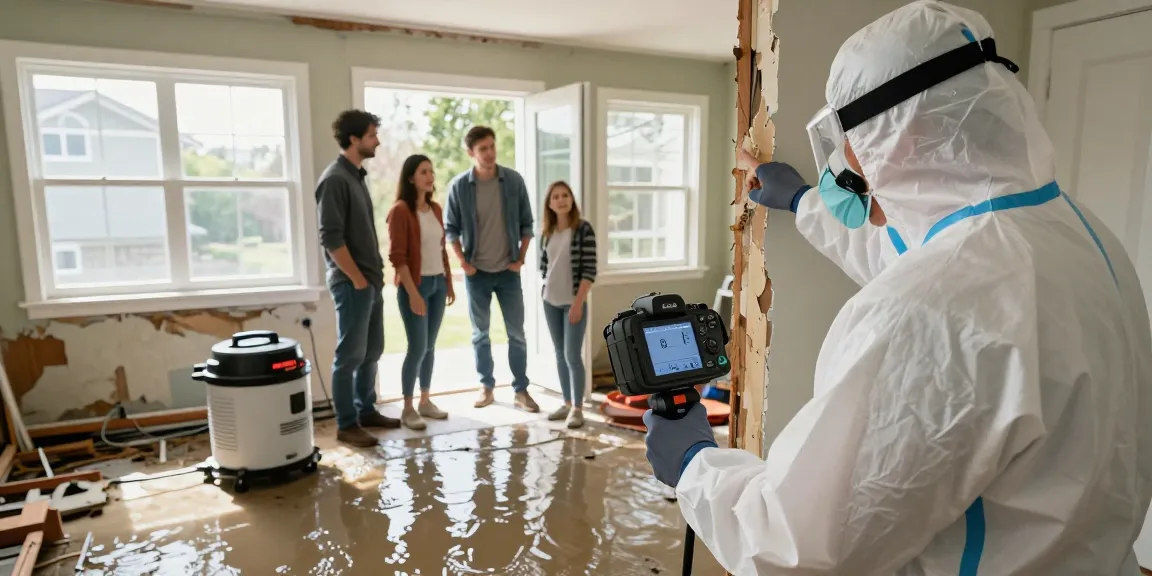
- Thermal Imaging Cameras: These devices help locate hidden moisture within walls and ceilings.
- Moisture Meters: Used to assess and monitor moisture levels in building materials.
Preventing Future Water Damage
Identifying Early Signs of Water Damage
Awareness of early warning signs can significantly mitigate water damage risks:
- Water stains on ceilings or walls.
- Peeling paint or wallpaper.
- Unpleasant odors, indicating possible mold growth.
- Increased humidity levels in certain areas of the home.
Best Practices for Home Maintenance
Regular maintenance is key to preventing water damage:
- Regular Inspections: Periodically check for leaks and wear in plumbing and roofing.
- Gutter Maintenance: Ensure gutters and downspouts are clear of debris to prevent overflow.
- Upgrade Old Systems: Replace aging plumbing and roofing to reduce risk factors.
Insurance Considerations for Water Damage Claims
Understanding your home insurance policy is vital for managing water damage claims:
- Ensure your policy includes coverage for water damage from various sources.
- Document all damages thoroughly with photos and written descriptions.
- Contact your insurance provider promptly to initiate claims and receive necessary guidance.
Choosing the Right Restoration Company
Factors to Consider When Hiring
Selecting a restoration company requires careful consideration of several factors:
- Certifications: Ensure the company employs certified professionals who adhere to industry standards, such as IICRC certification.
- Experience: Look for a company with a solid track record in the specific type of water damage restoration you require.
- Local Knowledge: A company familiar with North Vancouver can navigate local regulations and conditions effectively.
Questions to Ask Before Starting a Restoration
It’s important to ask potential candidates the right questions:
- What is your response time for emergencies?
- Can you provide references from previous clients?
- Will you handle the insurance claims process on my behalf?
Customer Reviews and Testimonials
Researching customer experiences through reviews can provide valuable insights into a company’s effectiveness. Look for testimonials that highlight responsiveness, quality of work, and overall customer satisfaction.
Common Misconceptions About Water Damage Restoration
Myths About Cost and Insurance
Many homeowners harbor misconceptions about the costs associated with water damage restoration. It’s important to dispel these myths:
- Myth: Restoration is always too expensive.
- Truth: Delayed restoration efforts can lead to increased costs due to extensive damage.
The Truth Behind DIY vs. Professional Services
While DIY efforts might seem cost-effective, multiple factors should discourage this approach:
- Inexperienced attempts can lead to incomplete drying, fostering mold growth.
- Professionals have access to specialized equipment and expertise to ensure effective and thorough restoration.
Understanding the Full Scope of Restoration Services
Water damage restoration extends beyond simply drying out affected areas; it encompasses cleaning, sanitizing, and thorough repairs tailored to each unique situation.
