Understanding Stackable Washer Dryers
Stackable washer dryers are a popular choice for those looking to save space in their homes or apartments without sacrificing laundry capabilities. These appliances are designed to fit one on top of the other, allowing for efficient use of vertical space. In this comprehensive guide, we will delve into the specifics of stackable washer dryers, exploring their benefits, common issues, and essential maintenance practices to keep them running smoothly. For those seeking expert assistance, stackable washer dryer repair services can provide valuable support.
What Are Stackable Washer Dryers?
Stackable washer dryers combine a washing machine and a dryer into a compact unit that can be stacked to conserve floor space. These appliances are particularly advantageous in urban living situations where laundry space is limited. A stackable unit typically consists of a front-loading washer and a dryer that is designed to be placed on top, often using a stacking kit for stability and safety. The goal of these designs is to provide full laundry capabilities in a small footprint.
Benefits of Stackable Washer Dryers
- Space Efficiency: Ideal for small homes or apartments, stackable units occupy minimal floor space.
- Flexibility: They can be placed in laundry rooms, kitchens, or closets, adapting to various living situations.
- Energy Efficiency: Many modern stackable units come with eco-friendly settings that reduce water and energy consumption.
- Combined Features: These appliances often include advanced technology, such as smart controls and multiple wash/dry cycles.
Common Issues with Stackable Washer Dryers
While stackable washer dryers are generally reliable, they are not immune to issues. Common concerns include electrical failures, mechanical malfunctions, and drainage problems. Addressing these issues promptly can prolong the life of your appliance and improve laundry performance.
Common Problems and Their Solutions
Diagnosing Electrical Issues
Electrical issues can manifest in various ways, such as the unit not starting, displaying error codes, or overheating. Start by checking the power supply, including outlet function and circuit breakers. If everything appears intact, consult the user manual for troubleshooting steps specific to your model. In more complex cases, hiring a professional technician may be necessary to safely address electrical problems.
Addressing Mechanical Failures
Mechanical failures can lead to a range of problems, from unusual noises to the unit not spinning. Common causes include worn belts, clogged filters, or faulty sensors. Regularly inspecting and maintaining these components can prevent major failures. If issues persist after basic troubleshooting, consider reaching out to a certified repair service.
Troubleshooting Water Drainage Problems
Water drainage problems are frequent in washer dryer combinations. Issues can arise from clogged hoses, faulty pumps, or improper installation. To diagnose drainage issues, check the hoses for kinks or blockages and ensure the pump is functioning correctly. Regular cleaning of the filter can also help avoid drainage disruptions.
Tools and Equipment for Repair
Essential Tools for Appliance Repair
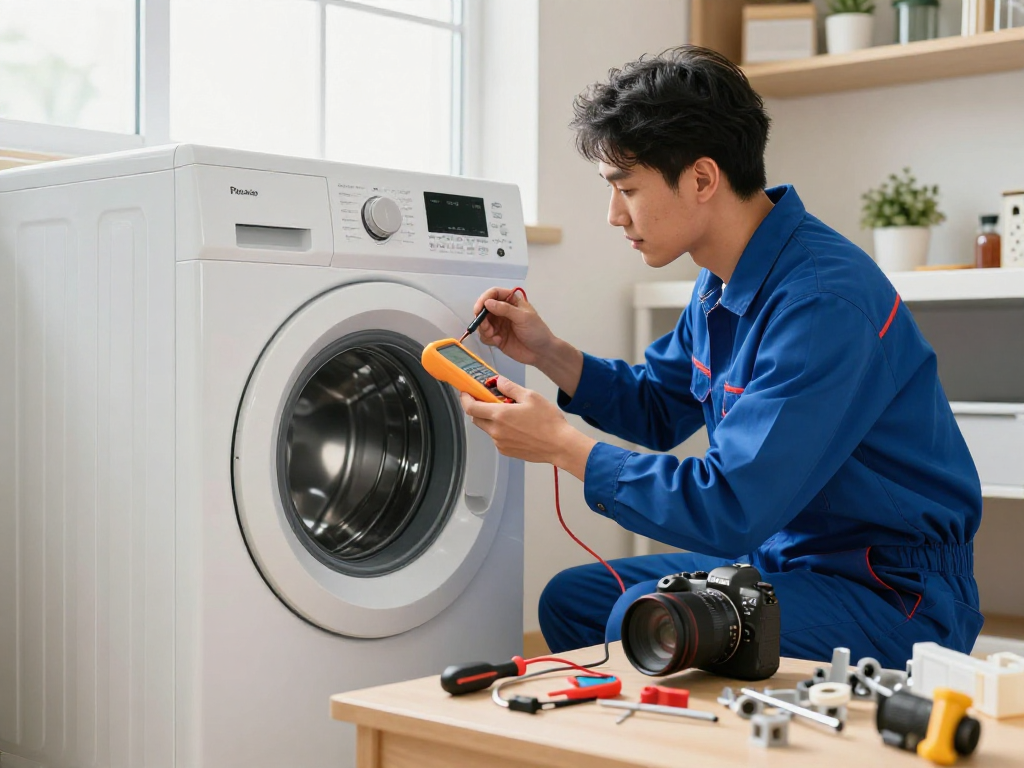
Having the right tools is crucial when tackling appliance repairs yourself. Essential tools include screwdrivers, pliers, a multimeter for electrical diagnostics, and socket wrenches. Investing in quality tools can make the repair process smoother and more efficient.
Safety Equipment for Repair Technicians
Safety during appliance repair is paramount. Always use safety goggles to protect your eyes from debris and gloves to avoid injury from sharp edges. Consider wearing a mask if you are working in an area with dust or mold. Proper safety equipment can significantly reduce the risk of injury while performing repairs.
Specialized Tools for Stackable Washer Dryer Repair
For stackable washer dryer repairs, specialized tools can include a torque wrench for tight fittings and a drainage snake for clearing clogs. Additionally, investing in a user manual for your specific model can provide insights into the specific requirements for repairs and maintenance.
Best Practices for Maintenance
Regular Cleaning and Maintenance Tips
To ensure your stackable washer dryer operates optimally, regular cleaning is essential. This includes wiping down the drum after each use to prevent mold and mildew, cleaning the lint filter in the dryer, and checking hoses for wear. A clean appliance performs better and has a longer lifespan.
Schedule for Routine Inspections
Establishing a routine inspection schedule for your appliances can help catch issues early. Aim for a thorough inspection every six months, checking for leaks, wear and tear, and ensuring all components are operating smoothly. Documenting these inspections can help track any changes or recurring problems.
Preventative Measures to Avoid Common Issues
Implementing preventative measures can save time and money in the long run. Ensure proper installation of your unit, avoid overloading the washer, and regularly clean filters and hoses. Educating yourself about your appliance’s functionality can empower you to address minor issues before they escalate.
Future Trends in Appliance Repair
Smart Technologies in Appliance Repair
The appliance repair industry is rapidly evolving, with smart technologies playing a significant role in enhancing user experience. Features such as Wi-Fi connectivity allow users to monitor appliance performance remotely, receive maintenance reminders, and troubleshoot issues via smartphone apps. As these technologies advance, they will revolutionize the way we approach appliance repair.
2026 Predictions for Laundry Appliance Technology
Looking ahead to 2026, we can expect major advancements in laundry appliance technology. Innovations may include improved energy efficiency standards, enhanced smart features that enable predictive maintenance, and integration with home automation systems. These developments will not only streamline laundry tasks but also contribute to environmentally friendly practices.
Emerging Repair Techniques and Tools
As appliances become more sophisticated, so too will the tools and techniques used for repairs. Expect to see an increase in diagnostic tools that leverage artificial intelligence to identify issues quickly and accurately. Additionally, the introduction of modular components will simplify repairs, making it easier to replace specific parts rather than entire units.
What are the most common issues with stackable washers?
Common issues with stackable washers include electrical malfunctions, mechanical failures, and water drainage problems. Understanding these can help users diagnose issues early.
How can I maintain my stackable washer dryer?
Regular maintenance includes cleaning the drum, checking hoses for wear, and scheduling routine inspections to catch potential problems early.
What tools do I need for stackable washer dryer repair?
Essential tools for repair include screwdrivers, pliers, a multimeter, and specialized tools like torque wrenches and drainage snakes.
How often should I have my appliances serviced?
It is recommended to have your appliances inspected at least once every six months to ensure they remain in good working condition.. Additionally, appliance installation provides further details.
What advancements are expected in stackable washer dryer technology?
Future advancements may include improved smart features, enhanced energy efficiency, and modular components for easier repairs, all contributing to a better user experience.