Understanding Durable Metal Roofing Materials
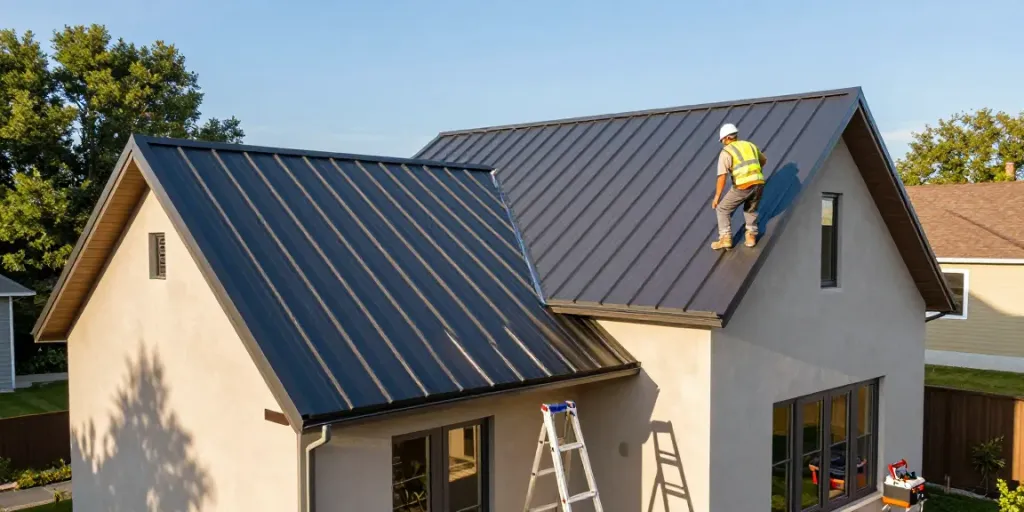
When considering roofing options for your home, Durable Metal Roofing stands out for its exceptional longevity and resilience against harsh weather conditions. Metal roofs, particularly standing seam types, have gained popularity among homeowners due to their modern aesthetic and practical benefits. In this section, we will explore the various materials used in metal roofing, what contributes to their durability, and the advantages of choosing metal over traditional roofing materials.
What Makes Metal Roofing Durable?
Durability in metal roofing can be attributed to several factors. The primary material used in metal roofs is typically steel or aluminum, known for their strength and resistance to elements. Metal roofs can withstand extreme temperatures, heavy snow loads, powerful winds, and even hail, making them ideal for diverse climates. Additionally, the manufacturing processes have evolved, incorporating advanced coatings that enhance resistance to corrosion, UV radiation, and rust, which can significantly extend a roof's lifespan to up to 50 years or more.
Comparing Different Metals for Roofing
When selecting a metal roof, it's essential to understand the differences among various metals:
- Steel: The most common choice for metal roofing, available in galvanized and galvalume options. Galvanized steel is coated with zinc for additional protection, while galvalume offers enhanced aluminum and zinc coatings for superior corrosion resistance.
- Aluminum: Although lighter and more expensive than steel, aluminum roofs are highly resistant to corrosion, making them an excellent choice for coastal areas.
- Copper: Renowned for its beauty and longevity, copper roofs can last over a century but come at a high initial cost. They develop a distinctive patina over time, enhancing their visual appeal.
Impact of Gauge Thickness on Longevity
The gauge of metal roofing refers to its thickness, with lower numbers indicating thicker materials. Typically, gauge options range from 22 to 29. Thicker gauges, such as 24 or 26 gauge, provide added durability and resistance to impacts, while thinner gauges may be less expensive but could be prone to dents and damage over time. Hence, selecting the appropriate gauge is crucial to ensure the longevity and performance of your roofing investment.
Benefits of Durable Metal Roofing
Durable metal roofing offers a host of benefits that make it a wise investment for homeowners. From energy efficiency to minimal maintenance requirements, its advantages cater to both practical needs and modern sensibilities.
Energy Efficiency and Cost Savings
One of the standout features of durable metal roofing is its energy efficiency. Metal roofs reflect solar radiant heat, which helps keep homes cooler during hot summer months. Coupled with proper insulation, this roofing type can significantly reduce cooling and heating efficiencies, contributing to lower energy bills. Additionally, many metal roofs qualify for energy tax credits due to their sustainable properties.
Weather Resistance in Ontario's Climate
Ontario's varied climate poses unique challenges for roofing materials. Durable metal roofing excels in this environment, offering superior protection against snow, ice, and heavy rainfall. Its design facilitates effective water drainage and snow shedding, minimizing the risk of leaks and damage over time. Homeowners in regions prone to extreme weather conditions can find peace of mind knowing their roofs can endure and protect their investment.
Minimal Maintenance Requirements
Another compelling advantage of durable metal roofing is its low maintenance needs. Unlike traditional roofing materials that may require frequent repairs and replacements, metal roofs typically need only occasional inspections and cleaning. This resilience allows homeowners to enjoy long-term durability without the anxiety of constant upkeep.
Installation Process of Durable Metal Roofing
The installation process of durable metal roofing is crucial in determining its performance and lifespan. Whether you opt for professional installation or consider a DIY route, understanding the process can help ensure a successful project.
Choosing the Right Contractor
Selecting a qualified contractor is paramount when installing durable metal roofing. Look for installers with experience and certifications specific to metal roofing. They should be well-versed in local building codes and practices, ensuring that your roof is installed correctly to maximize its longevity and performance.
DIY vs. Professional Installation
While some homeowners may consider DIY installation to save costs, it’s essential to weigh the pros and cons. Professional installers have the expertise to handle complexities, including proper flashing, insulation, and adhering to safety standards. Mistakes during installation can lead to significant issues down the line, making professional help a worthwhile investment.
Planning and Preparation for Installation
Proper planning is crucial for a successful roof installation. This includes assessing your current roof's condition, obtaining necessary permits, and preparing for weather conditions during installation. Having a structured plan helps ensure that the project runs smoothly, minimizing interruptions and delays.
Customization Options for Your Roof
One of the appealing aspects of durable metal roofing is its versatility in design. Homeowners can customize their roofs to align with their aesthetic preferences and architectural style, creating a unique look while reaping practical benefits.
Selecting Colors and Finishes
Metal roofing is available in a vast array of colors and finishes. From traditional hues like red and blue to modern shades like matte black and metallic finishes, homeowners can choose a style that complements their home's exterior. Additionally, color choices can significantly influence energy efficiency—light colors reflect sunlight, while darker shades absorb heat.
Integrating Solar Panels and Other Features
Modern metal roofs accommodate additional features such as solar panels and snow retention systems. Integrating solar panels into your metal roof can enhance energy savings and sustainability, while snow retention systems help manage snow load effectively. This flexibility provides homeowners with options to enhance both functionality and efficiency.
Design Flexibility for Architectural Styles
Durable metal roofing complements various architectural styles, from contemporary to traditional. The sleek lines and modern finishes of standing seam roofs match well with minimalist designs, while classical profiles work beautifully with traditional homes. This design flexibility ensures that homeowners can maintain their desired aesthetic while enjoying the benefits of metal roofing.
Long-Term Value of Durable Metal Roofing
Investing in durable metal roofing translates into long-term value for homeowners. Understanding various aspects, such as warranties, resale value, and future trends can enhance the knowledge surrounding this roofing choice.
Understanding Warranties and Insurance
Metal roofs often come with substantial warranties, typically ranging from 30 to 50 years, depending on the manufacturer. Understanding the specifics of these warranties can provide homeowners with peace of mind regarding their investment. It’s also essential to maintain proper insurance coverage that reflects the value and benefits of a metal roof.
Resale Value Impact on Your Home
Homes equipped with durable metal roofing tend to hold better resale value due to their longevity and low maintenance needs. Prospective buyers often view metal roofing as an added value, making homes with this feature more appealing in the competitive real estate market.
Future Trends in Metal Roofing Technology
The metal roofing industry continues to evolve, with innovations focused on improving energy efficiency, sustainability, and aesthetics. Emerging technologies, such as enhanced reflective coatings and integrated solar functionalities, indicate a promising future for metal roofing solutions. Homeowners looking to invest should stay informed about these trends to make informed choices for their roofing needs.
What is the most durable metal roof?
Generally speaking, standing seam metal roofs are recognized as some of the most durable options available, providing exceptional resilience and longevity compared to other materials.
Can a metal roof last 100 years?
While most metal roofs have a lifespan of 40 to 70 years, some high-quality materials and installations can indeed last over 100 years with proper care and maintenance.
What is the biggest problem with metal roofs?
The primary challenges associated with metal roofs include issues like noise during rain and storms, potential for expansion and contraction, and susceptibility to denting from hail or falling branches if lighter gauges are used.
What kind of roof lasts 30 years?
A variety of roofs can last 30 years, including asphalt shingles, tile, and certain high-end metal roofing options. However, durable metal roofing stands out for its overall longevity and performance in challenging conditions.