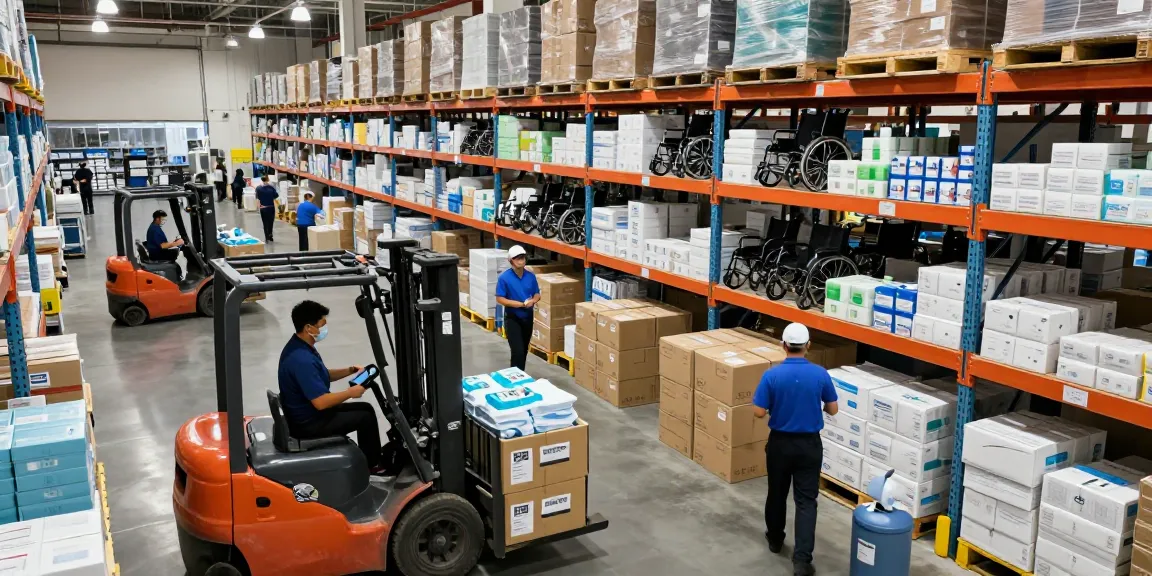
The Importance of Medical Supply Distributors in Healthcare
In the intricate ecosystem of healthcare, medical supply distributors act as the vital link connecting manufacturers to healthcare providers. Their role extends beyond merely delivering products; they ensure that medical facilities have the necessary supplies to provide quality care to patients. With the growing complexity and demands of modern healthcare, understanding the significance of these distributors becomes imperative. When exploring options, largest medical supply distributors offer comprehensive insights into market dynamics, ensuring that healthcare providers are equipped to meet the challenges posed by ongoing healthcare advancements.
Understanding the Role of Distributors in Patient Care
Medical supply distributors play a crucial role in patient care by managing the logistics of essential supplies. This includes sourcing, warehousing, and delivering a wide range of medical products, from surgical instruments to personal protective equipment (PPE). Their activities support not only the operational efficiency of healthcare facilities but also contribute to better patient outcomes.
Distributors often have deep partnerships with manufacturers and healthcare providers, allowing them to provide tailored solutions that meet specific healthcare needs. Additionally, they facilitate compliance with regulations and quality standards, ensuring that only safe and effective products reach the market. The reliability and speed of their services can dramatically impact a facility’s ability to respond to patient needs, especially during emergencies.
Key Players: Who are the Largest Medical Supply Distributors?
In the medical supply industry, several key players have emerged as the largest distributors, each with unique strengths and specialties. Companies like McKesson, Cardinal Health, and Owens & Minor are often at the forefront, providing a comprehensive range of products and services.
- McKesson Corporation: One of the oldest and largest pharmaceutical distribution companies in North America, McKesson provides products across the healthcare continuum, focusing heavily on technology solutions that help streamline operations.
- Cardinal Health: Known for its strong presence in the medical and surgical supply sectors, Cardinal Health delivers innovative solutions that enhance patient care while improving operational efficiency in healthcare providers.
- Owens & Minor: This company specializes in supply chain solutions, offering everything from distribution to inventory management systems tailored to hospitals and clinics.
Impact on Healthcare Outcomes and Accessibility
The role of medical supply distributors extends to improving healthcare outcomes and enhancing accessibility to crucial resources. By ensuring that healthcare providers have timely access to necessary supplies, distributors enable better management of patient care and operational challenges.
For example, the rapid distribution of PPE during the COVID-19 pandemic illustrated how critical these distributors are to public health. Their ability to navigate supply chain disruptions ensured that healthcare facilities could continue to operate safely, ultimately affecting patient care positively. Thus, the effectiveness of medical supply distributors directly correlates with the overall efficiency and responsiveness of the healthcare system.
Current Trends Among the Largest Medical Supply Distributors
Emerging Technologies in Supply Chain Management
The medical supply distribution industry is experiencing a technological revolution, with significant advancements in supply chain management. Automation, artificial intelligence (AI), and data analytics are increasingly being integrated into operations, enhancing efficiency and reducing costs.
For instance, many distributors are implementing AI-driven inventory management systems that predict stock needs based on historical data and trends. This technology minimizes waste, reduces stockouts, and ensures that healthcare providers receive the products they need without delay.
Incorporating Sustainability Practices
As global attention turns toward environmental sustainability, medical supply distributors are also adapting their practices to reduce their carbon footprint. Initiatives such as eco-friendly packaging, energy-efficient transportation, and waste reduction strategies are gaining traction.
- Eco-Friendly Packaging: Many distributors are exploring biodegradable materials and recyclable options for their supply packaging.
- Energy-Efficient Transportation: Utilizing greener logistics options, including electric delivery vehicles, is becoming more common as distributors aim to lower their emissions.
- Waste Reduction: Strategies that minimize excess inventory and promote recycling of medical supplies are becoming integral parts of distributors’ operations.
Adapting to Regulatory Changes: What Distributors Must Know
Medical supply distributors must stay abreast of regulatory changes to ensure compliance and maintain market access. Changes in FDA regulations, healthcare reform legislation, and international trade agreements can significantly impact distribution processes.
Distributors need to adapt quickly to these changes by implementing robust compliance training programs and maintaining open lines of communication with regulatory bodies. This proactive approach not only ensures adherence to regulations but also enhances trust with healthcare providers and patients alike.
Challenges Faced by Medical Supply Distributors
Supply Chain Disruptions: Causes and Solutions
The medical supply chain is susceptible to various disruptions, from natural disasters to geopolitical issues. The COVID-19 pandemic underscored the fragility of supply chains and the devastating effects that can arise from shortages.
To address these challenges, distributors are increasingly diversifying their supply sources and implementing risk management strategies. This includes maintaining safety stock levels, investing in technology for tracking supplies, and developing contingency plans that can be activated during crises.
Maintaining Quality Assurance and Compliance
With the threat of counterfeit products and quality issues prevalent in the medical supply industry, maintaining quality assurance is a top priority for distributors. Stringent quality control processes, vendor audits, and compliance monitoring are essential strategies utilized to safeguard against potential risks.
Employing technology such as blockchain for tracking product provenance can also enhance quality assurance measures by providing transparency throughout the supply chain.
Managing Customer Expectations during Crises
During times of crisis, managing customer expectations can be particularly challenging for medical supply distributors. Communication becomes vital in ensuring that healthcare providers understand the realities of supply availability and delivery timelines.
Distributors should leverage digital communication platforms to provide real-time updates on stock levels and shipping statuses. By actively engaging with customers, they can build trust and mitigate frustrations arising from supply shortages.
Strategic Approaches for Improving Efficiency
Utilizing Data Analytics for Inventory Management
Effective inventory management is crucial for medical supply distributors, and data analytics plays a pivotal role in enhancing this aspect. By analyzing purchase patterns and trends, distributors can optimize their inventory levels, ensuring that necessary supplies are available without overstocking.
Implementing predictive analytics can help distributors forecast demand more accurately, thus streamlining their operations and improving service delivery to healthcare providers.
Building Strong Relationships with Suppliers and Healthcare Providers
Collaboration is key in the medical supply distribution industry. Building strong relationships with suppliers and healthcare providers not only fosters trust but also enhances operational efficiency.
Regular meetings, joint planning sessions, and feedback loops can help distributors align their strategies with the needs of healthcare professionals. Such collaboration often leads to shared success in overcoming challenges and innovating solutions.
Implementing Lean Principles in Distribution Processes
Adopting lean principles can significantly enhance efficiency in medical supply distribution. This involves minimizing waste, streamlining processes, and optimizing resource utilization.
For example, employing just-in-time inventory practices can reduce excess stock and minimize carrying costs while ensuring timely delivery of medical supplies to healthcare facilities.
The Future of Medical Supply Distribution: Predictions for 2026
Innovative Solutions to Anticipate Market Demands
As we look toward 2026, the medical supply distribution landscape will likely be shaped by ongoing innovations. The integration of advanced technologies such as machine learning, blockchain, and IoT devices will revolutionize how distributors manage supply chains.
These innovations will lead to more responsive and flexible supply chains, capable of adapting to sudden changes in demand or disruptions in supply.
Expansion of Telehealth and Its Impact on Supply Needs
The rise of telehealth services is changing the landscape of patient care, subsequently impacting the types of medical supplies that distributors will need to prioritize. As more procedures and consultations shift online, there may be an increased demand for items such as remote monitoring devices and telehealth platform subscriptions.
Distributors will need to adapt their offerings to support this transition, ensuring that healthcare providers have access to the right tools for delivering care remotely.
Preparing for Future Healthcare Crises: Lessons Learned
The experiences from the COVID-19 pandemic have highlighted the need for better preparedness in the medical supply distribution sector. Distributors must develop comprehensive crisis response strategies that account for potential future healthcare emergencies.
This preparation includes establishing diversified supplier networks, enhancing inventory management systems, and fostering strong relationships with healthcare providers to ensure rapid response capabilities.
What Developments Can We Expect in This Sector?
Looking ahead, we can expect significant developments in the medical supply distribution sector driven by technological advancements, regulatory shifts, and changing healthcare delivery models. Adaptability will be key, as distributors who can quickly embrace innovations and align their strategies with the evolving landscape will thrive.
Moreover, sustainability will continue to be a driving factor, influencing how distributors operate and develop relationships within the healthcare ecosystem.